
Travel Responsibly? What Does That Even Mean?
I had no idea. Not a clue. It took years of racking up mistakes before I started gaining any real insight, and most of that wisdom came from looking back and cringing.
Most of us are good people, or at least we're trying to be. My own screwups usually came down to one of two things: being gullible or being blissfully ignorant. I think I held an honorary degree in the latter for a while. Over the years I've grown up a bit and paid more attention. Here's some of what I learned the hard way.
Gullible's Travels
Some mistakes happened because I just didn't know better. One still bugs me: my run-in with the elephants of Southeast Asia. I'm about as pro-animal as it gets. I have a hard time even watching animals in a zoo. So when I got the chance to ride an elephant through the jungle, my inner Indiana Jones lit up.
My cautious side did ask questions. I wanted to know these animals were being treated well. I watched closely and didn't see anything that looked like abuse, at least nothing obvious to me. I was told the elephants were rescues, too old or too injured to survive in the wild, living out their days well cared for. The ride went great. I walked away happy.
Then I got home, did some digging, and found out those reassuring words were a bigger pile of crap than anything coming out of the elephants. I felt terrible. Still do. Now that I know better, I won't ever ride one again. To be clear, there are some genuinely great elephant sanctuaries out there, places doing real rescue work. The difference is simple: those places never let you ride them.
These days I jump at any chance to interact with elephants the right way, and I donate when I can toward their care. Maybe it's guilt driving me. Probably is. But it's something.
The Generous American
I grew up in a tipping culture. Some of my first jobs paid next to nothing and depended on tips to make rent. That leaves a mark. I'm a generous tipper, and I mean generous.
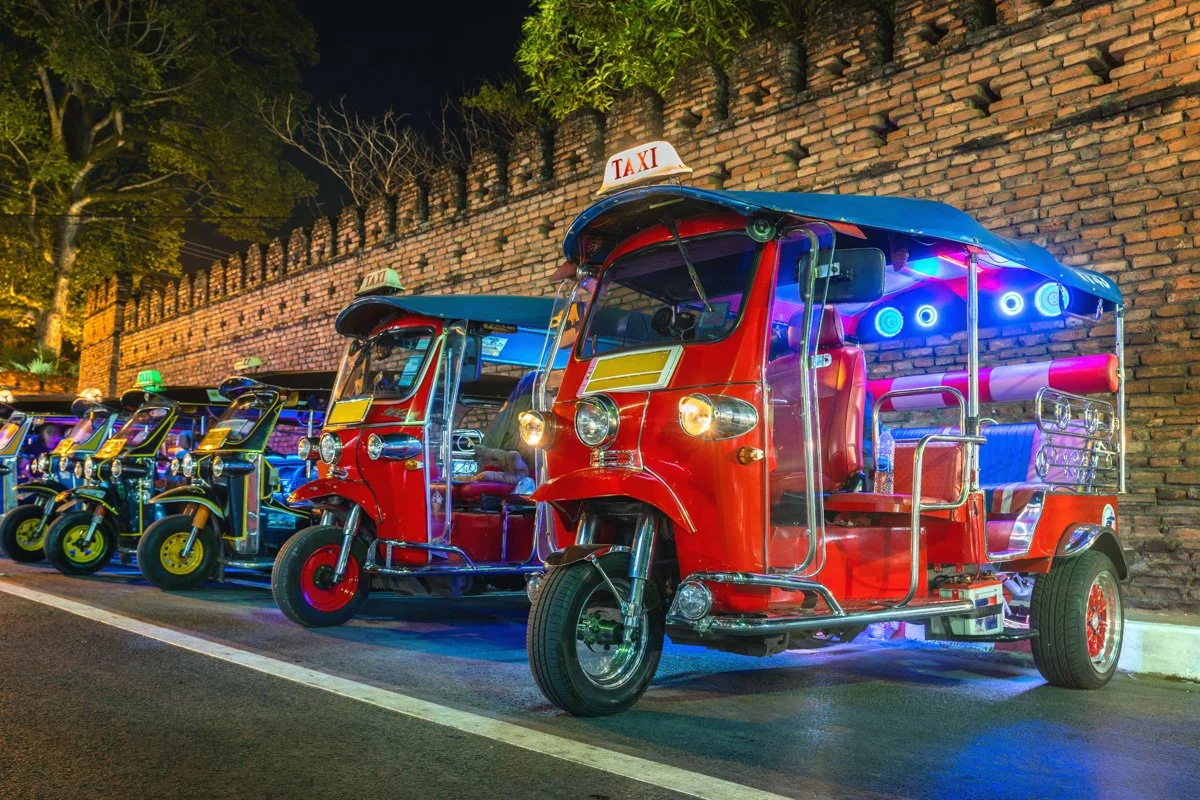
So when I travel somewhere that doesn't tip, I struggle to hold back, especially when the locals go out of their way for me. Somewhere in there, guilt kicks in too. It happened first in Thailand. I hired a tuk-tuk driver for the day, and he drove me everywhere I wanted for about eight hours straight. He waited for me at every stop without complaint. He never once tried steering me to some shop for a kickback, which apparently is a pretty common move among drivers there.
At the end of the day he asked for payment. I did quick math in my head and realized his fare worked out to around three bucks an hour. There was no way I could hand him that and sleep that night, so I tipped big enough to bring him up over U.S. minimum wage. He tried to refuse it. I insisted.
Sweet story, right? Everybody wins. Well, hold on.
I told this story to a group of well-traveled friends, one of whom had actually lived in Southeast Asia and other low-cost economies. I'd been feeling pretty good about myself, picturing a generous traveler helping the local economy where he could. Turns out that's not how it looks from the other side. As a local earning local wages, having tourists throw around big tips makes it harder to get a ride in your own city. Drivers start chasing Westerners for the bigger payday, sometimes at the expense of the people who actually live there. And a Western tourist is an easier mark if a driver's inclined to scam somebody.
My friend also told me about a small town that boomed with American tourism. The handful of restaurants there jacked up their prices once they realized tourists would pay it without blinking. Locals ended up priced out of eating dinner in their own town.
The Floating 7-Eleven
Since we're on a roll with Southeast Asia, one more story. On a river tour in Bangkok, our boat kept getting approached by locals paddling smaller longboats, usually an older woman, sometimes with a young girl helping her. They sold everything: soda, snacks, little handmade souvenirs. Hence the floating 7-Eleven. I admired the crafts (I have zero craft skills myself) but never bought anything. That's just how I travel. I pack light and lean minimalist, and my souvenirs are mostly memories.
After a while I started thinking about what my presence actually meant for these women trying to scratch out a living. Tourists bring money into their country and also cause plenty of headaches for it. Maybe responsible travel means doing more good than harm, not just avoiding harm.
So how do you fix that without dragging home a suitcase full of stuff you don't want? Handing the floating 7-Eleven ladies cash felt like it might set a bad precedent, like every tourist is just an ATM. Then it hit me. The housekeeping at our hotel had been incredible, the kind of over-the-top service where my slippers ended up perfectly arranged next to the bed every single time I left the room. I already planned to tip them. What if I bought something small from one of the river vendors and left it for my housekeeper instead? Something she might actually want, or could pass along as a gift. Win-win, problem solved.
The Action Plan
So what changed? Research. Research, and then more research. The internet's full of information, and some of it's even accurate.
Now, before any trip, I look at what I've got planned and ask if it's actually ethical. If it's not, I look for an alternative, something that puts me on the solution side instead of the problem side.
I also look into the local economy: wages, cost of living, tipping norms. Turns out some places I used to tip generously actually pay a livable wage already, which explains why locals don't bother. I don't want to be the reason a waiter treats American tourists better because he knows we're the ones tipping.
I'm glad I figured this out before I really stepped in it. Some countries consider tipping an insult. Workers get paid fairly without it, and the only time you'd tip is if the service was so bad you're basically saying "here's something extra since you'll probably be unemployed soon."
So, do you try to give back when you travel? Are you part of the problem or part of the solution? Here's the upside either way: trying to travel responsibly forces you to actually pay attention to what's around you, and that alone makes the whole trip richer.
Orriginal publication 2019